

Canadian airlines and airports are still grappling with the repercussions of the grounding of U.S. air traffic that occurred on Friday, leading to cancellations and delays for numerous travellers.
Air Canada reported the cancellation of approximately 250 flights, impacting around 27,000 passengers, following a ground stop order from the U.S. Federal Aviation Administration that suspended all U.S. flights for over four hours.
Both Porter Airlines and WestJet indicated that it may take the entire weekend for flight schedules to return to normal.
According to Canada’s Air Passenger Protection Regulations — which provide details on travellers’ rights and how to submit a complaint — passengers are entitled to be rebooked if their flight is cancelled or experiences a significant delay.
Airlines are obligated to rebook passengers on the next available flight with them or a partner airline that departs within 48 hours of the original scheduled departure time.
Gábor Lukács, an advocate for air passenger rights, mentioned that for international travel — specifically between Canada and the U.S. — if airlines cannot secure a flight within that 48-hour window, they must rebook passengers on a competing airline.
In cases where disruptions are within an airline’s control, passengers are afforded additional protections and may claim compensation. However, Lukács states that the nationwide grounding of U.S. air traffic constitutes an “extraordinary circumstance” beyond the airline’s control.
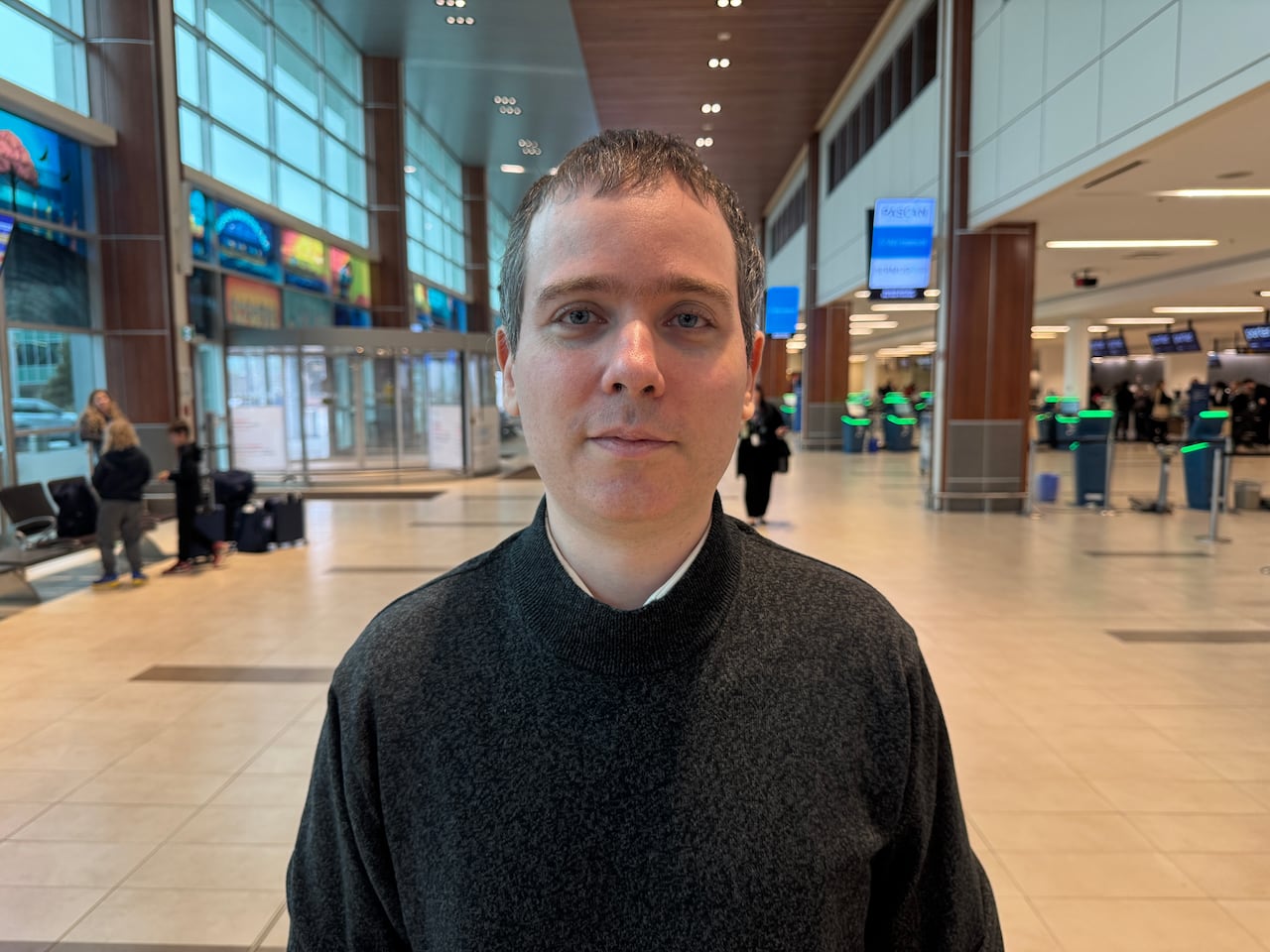
Gábor Lukács, photographed at Halifax airport in March 2025, emphasizes that Canadian travellers enjoy stronger protections compared to their American counterparts. (Galen McRae/CBC)
Lukács highlights that travellers flying between Canada and the U.S. benefit from both countries’ air passenger regulations, with Canadian regulations offering greater protections.
Nevertheless, for Canadians who find themselves stranded in the U.S. and may have incurred expenses for hotels and additional meals due to travel delays, Lukács points out that airlines are not obligated to reimburse these costs.
“In Europe, passengers would still receive meals and accommodations,” Lukács explains, even for disruptions beyond the airline’s control. “In Canada, that is not a requirement.”
Lukács advises that if Canadians believe airlines have not fulfilled their legal obligations, they should keep records of their interactions with the airline and consider pursuing a claim in small claims court.
The U.S. government reports that the ground stop order was issued on Friday after the introduction of new technology to the air traffic control system, which overloaded outdated equipment, resulting in intermittent communications and radar disruptions.
An investigation into the situation is currently underway.